ABA Therapy Programs PJ-KL

We offer a range of comprehensive programs designed to meet the unique needs of our neurodiverse learners. Our dedicated team of professionals is committed to supporting individuals in various areas of development. Here are some of our key programs:

Behavior Management

Our behavior management program focuses on reducing challenging behaviors and promoting socially acceptable and appropriate behaviors. Our experienced team utilizes evidence-based strategies to create individualized behavior plans that foster positive change.

Functional Communication Skills Training (FCT)

Based on the principles of Verbal Behavior, our program empowers neurodiverse learners to develop essential communication skills in a functional and meaningful way. Through targeted interventions, we focus on teaching skills like requesting, labeling, and social communication, enabling learners to effectively express themselves and engage with others.

Social-Communication Skills Training

We understand the importance of social communication skills in building relationships and navigating social situations. Our program focuses on enhancing social interaction, conversation skills, non-verbal communication, and social-emotional understanding.

School Readiness Skills Training

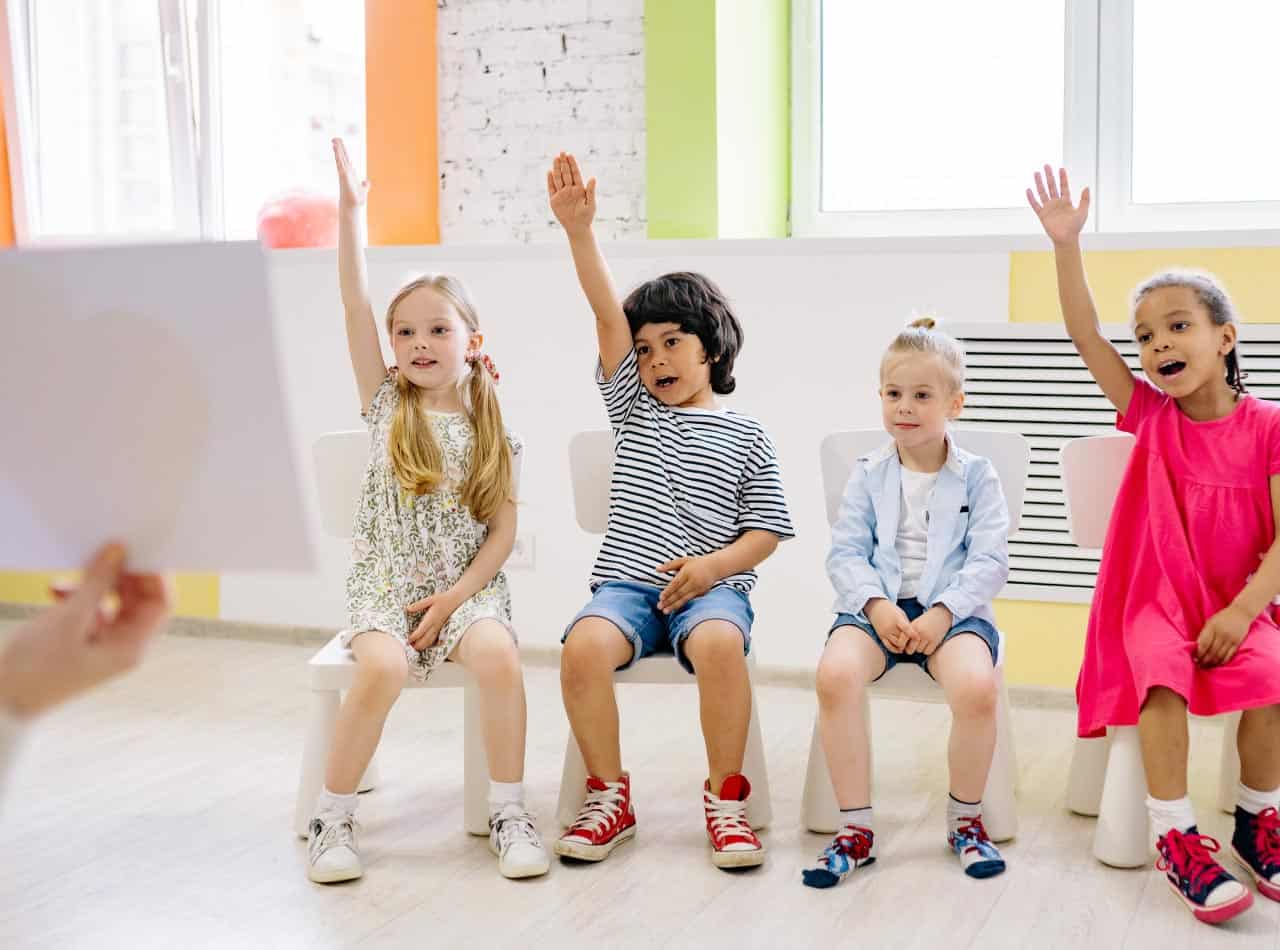
Our school readiness program prepares neurodiverse learners for the school environment by teaching essential skills such as academic readiness, classroom routines, social skills, and independence.

Play Skills

Our play skills program is designed to help neurodiverse learners develop appropriate independent play skills, social play, and imaginative play. We focus on promoting peer interaction, turn-taking, sharing, and creative play, enabling learners to engage in meaningful play experiences with others.

Self-help Skills

We provide training and support in various self-help skills to enhance independence and daily functioning. This includes skills such as personal hygiene, dressing, eating, and more.

Tolerance Training

For neurodiverse learners who struggle with visiting doctors, dentists, hairdressers, or other similar situations, our tolerance training program offers effective strategies to help individuals overcome their difficulties and increase their comfort levels.

Pre-learning skills

We lay a strong foundation for learning by focusing on pre-learning skills such as attention, imitation, and following instructions. These essential skills facilitate future learning success.

Toilet Training

 We provide effective and supportive toilet training programs tailored to the individual’s needs. Our team works closely with families to develop personalized plans and strategies for successful toilet training.

Vocational Skills Training
(15 years old and above)

Our vocational skills training program focuses on developing job-related skills and promoting independence in work settings. We provide practical training and support to help neurodiverse learners build vocational skills and pursue meaningful employment opportunities.

Vocational Skills Training
(15 years old and above)

Our vocational skills training program focuses on developing job-related skills and promoting independence in work settings. We provide practical training and support to help neurodiverse learners build vocational skills and pursue meaningful employment opportunities.

Behavior Management

Our behavior management program focuses on reducing challenging behaviors and promoting socially acceptable and appropriate behaviors. Our experienced team utilizes evidence-based strategies to create individualized behavior plans that foster positive change.

Functional Communication Skills Training (FCT)

Based on the principles of Verbal Behavior, our program empowers neurodiverse learners to develop essential communication skills in a functional and meaningful way. Through targeted interventions, we focus on teaching skills like requesting, labeling, and social communication, enabling learners to effectively express themselves and engage with others.

Activity of Daily Living (ADLs)

We provide training and support in various self-help skills to enhance independence and daily functioning. This includes skills such as personal hygiene, dressing, eating, and more.

Tolerance Training

For neurodiverse learners who struggle with visiting doctors, dentists, hairdressers, or other similar situations, our tolerance training program offers effective strategies to help individuals overcome their difficulties and increase their comfort levels.

Social-Communication Skills Training

We understand the importance of social communication skills in building relationships and navigating social situations. Our program focuses on enhancing social interaction, conversation skills, non-verbal communication, and social-emotional understanding.

Pre-learning skills

We lay a strong foundation for learning by focusing on pre-learning skills such as attention, imitation, and following instructions. These essential skills facilitate future learning success.

School Readiness Skills Training

Our school readiness program prepares neurodiverse learners for the school environment by teaching essential skills such as academic readiness, classroom routines, social skills, and independence.

Toilet Training

We provide effective and supportive toilet training programs tailored to the individual’s needs. Our team works closely with families to develop personalized plans and strategies for successful toilet training.

Vocational Skills Training
(15 years old and above)

Our vocational skills training program focuses on developing job-related skills and promoting independence in work settings. We provide practical training and support to help neurodiverse learners build vocational skills and pursue meaningful employment opportunities.

Why Choose Us?

Why Choose Us?

At The ABA Project, we take pride in providing exceptional services that set us apart from the rest. When it comes to meeting the unique needs of individuals with developmental disabilities, we offer an unrivaled level of expertise and commitment. Here’s why you should choose us:

Testimonials

M, my son was diagnosed to be on the autism spectrum. He didn’t participate in his preschool activities and learning was left behind. We were introduced to Teacher Teresa by a relative. After 1 year being under Teacher Teresa’s care, his reading, writing and attention span improved by miles. He was able to join a mainstream inclusive kindergarten and later a self-paced learning center. He has no trouble reading and counting now. "

Grace was invited to share her experience with ABA intervention at The ABA Project.
This family no longer receives any services from The ABA Project.
The names have been withheld to ensure confidentiality.

Contact Us Today

To learn more about how we can support you or
your loved ones on their journey towards a more
fulfilling and independent life.

FAQs

Autism is a lifelong neurodevelopmental disorder that affects how a person communicates, interacts, and experiences the world around them. It can make understanding social cues, expressing oneself, and navigating sensory experiences challenging. However, it’s important to remember that autism is just one aspect of a person’s identity, and with early diagnosis and the right support, individuals with autism can flourish and achieve their goals.

The causes of autism are still being explored, but it appears to be a combination of genetic and environmental factors. Genetic mutations and variations, as well as certain prenatal and early-life environmental influences, have been identified as potential factors. However, it’s important to remember that every individual with autism is unique, and the specific causes can vary from person to person.

Recent studies conducted by the Centers for Disease Control and Prevention (CDC) in 2020 indicate that approximately 1 in 36 children are diagnosed with autism spectrum disorders, indicating higher rates than previously estimated. ASD affects individuals from diverse backgrounds, and it is more commonly observed in boys, with approximately four times as many boys being diagnosed compared to girls.

It’s important to acknowledge that the increasing prevalence of ASD can be attributed to several factors, including heightened awareness, advancements in diagnostic tools, and a deeper understanding of the autism spectrum.

No, vaccines do not cause autism. Many scientific studies have looked into this issue, and they have all found no evidence to support a link between vaccines and autism. The idea that vaccines cause autism came from a study that was later proven to be wrong. Vaccines are very important for keeping us healthy and preventing serious diseases. They go through strict testing and monitoring to ensure they are safe and effective. It’s essential to trust reliable scientific information and expert opinions when it comes to vaccine safety.